
Table of Contents
If you are planning to launch or scale an online business in 2026, there is no better classroom than the stores that are already winning. Every day, millions of independent businesses use Shopify’s platform to connect with customers across the globe, and the gap between a mediocre store and a remarkable one is rarely about the product itself. It is about brand positioning, design clarity, storytelling, and the seamless shopping experience a merchant creates.
Shopify now powers millions of merchants in more than 175 countries, having facilitated well over a ~$1.6 trillion dollars in commerce since its founding. The platform’s open ecosystem, spanning customizable themes, an enormous app marketplace, and AI-powered tools like its Sidekick assistant, means entrepreneurs of any size can build something genuinely impressive. But knowing what good looks like matters enormously when you are starting out.
This blog curates some of the most popular and instructive Shopify stores in 2026, to help you on your own ecommerce journey. Whether you are selling handmade candles or scaling a seven-figure apparel brand, the principles at work here are universal.
Key Takeaways
- Strong branding and consistent storytelling are what separate memorable Shopify stores from forgettable ones.
- The best ecommerce stores focus heavily on user experience, especially mobile-first design and seamless navigation.
- Emotional connection often drives conversions more effectively than product features alone.
- High-performing Shopify brands prioritize customer retention through subscriptions, loyalty programs, and repeat purchase strategies.
- Successful stores use transparency, authenticity, and social proof to build long-term customer trust.
What Makes a Great Shopify Store?
Before diving into specific examples, it helps to understand the ingredients that separate good Shopify stores from great ones. According to Shopify, the most successful merchants share a consistent, recognizable brand presence, not only on their website but across social media and marketplaces too. A strong brand is not just a logo; it is the feeling a customer gets at every touchpoint.
Store design is the second major factor. A great ecommerce site makes shopping effortless. This means intuitive navigation, fast load times, high-quality product imagery, and a theme that reflects the personality of the brand rather than a generic out-of-the-box look.
The third pillar is conversion. Beautiful design means little if visitors do not buy. The best Shopify stores invest in lightning-fast checkout flows, clear product descriptions, trust signals like reviews and guarantees, and mobile-first layouts.
Top Popular Shopify Stores
Hiut Denim Co.
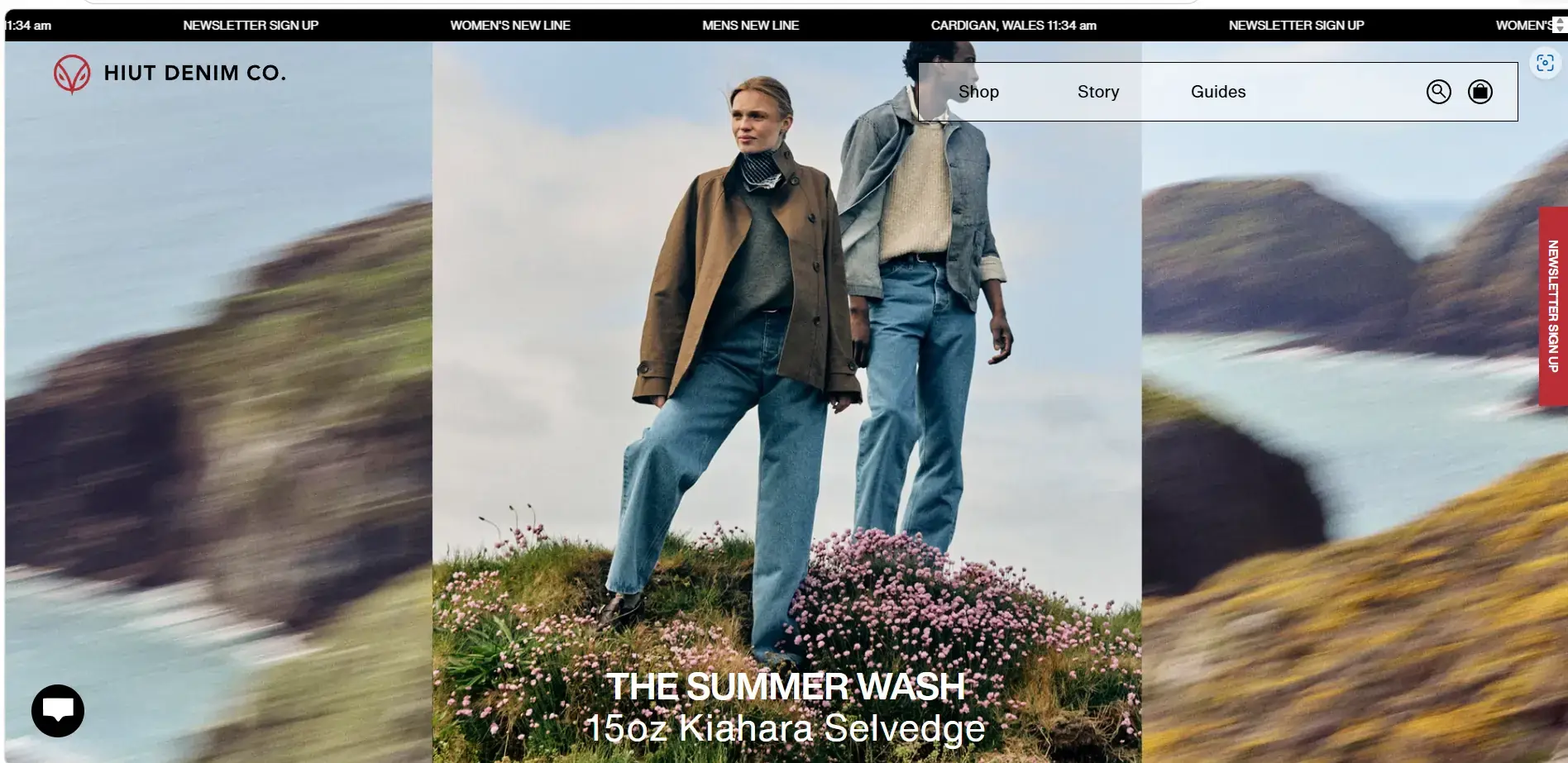
Founded in 2011 in Cardigan, Wales, Hiut Denim was built on a single, powerful principle: make the best jeans in the world, not the most jeans. The town had once housed the largest denim factory in the UK, and Hiut’s mission was to revive that craftsmanship and local expertise. Their Shopify store reflects this obsession, every page speaks to quality, provenance, and purpose rather than deals or volume.
Tentree
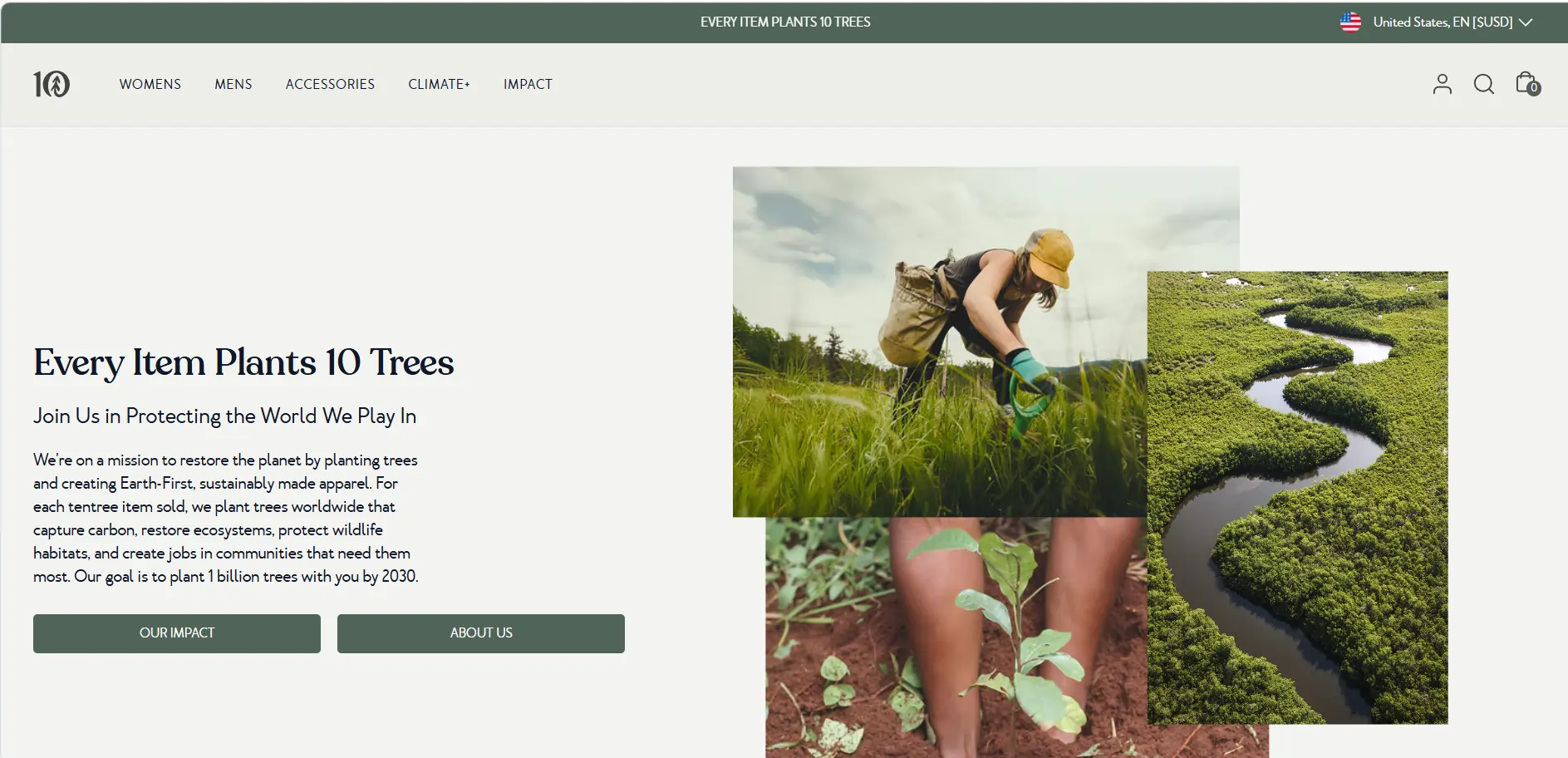
Tentree turns everyday clothing purchases into environmental action. For every item sold, the brand plants ten trees, with a target of one billion trees by 2030. By 2025, they had already surpassed 110 million trees planted. Their Shopify store does not just sell activewear; it sells a measurable, verifiable impact that shoppers can feel good about. The transparency around their sustainability data is a masterclass in mission-driven commerce.
Maguire Shoes
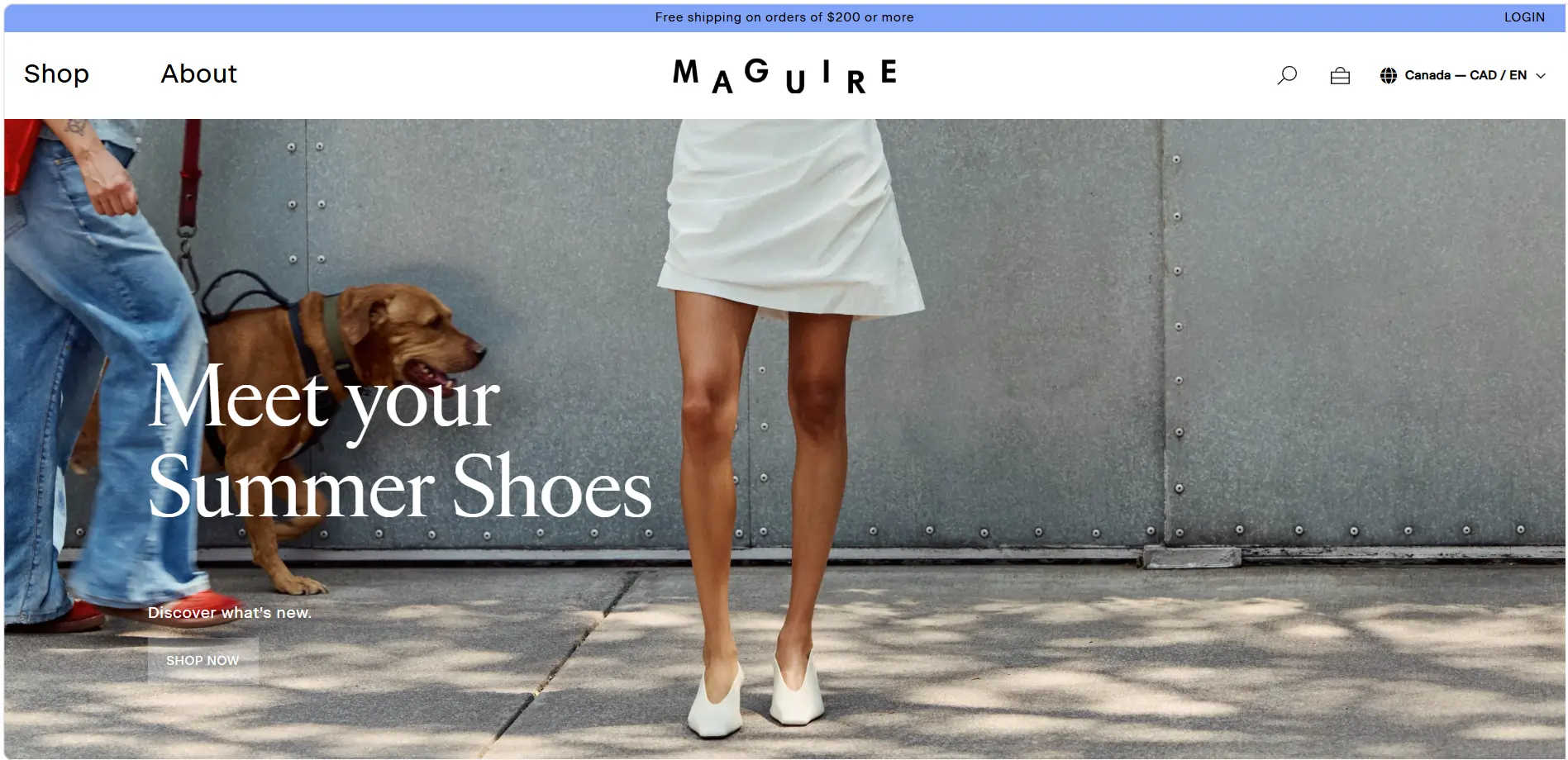
Founded by Myriam Belzile-Maguire in Montreal, Maguire Shoes built its reputation by doing what big brands often skip: developing genuine, long-term relationships with factories. The result is a line of uniquely designed shoes at a transparent price point, sold through a Shopify store that captures the effortless cool of Montreal’s fashion scene. The site photography, copy, and product curation all speak the same visual language, something many small brands fail to achieve.
The Outrage
The Outrage was born almost by accident when founder Rebecca Lee-Funk’s politically themed t-shirt design went viral online. Rather than treating it as a one-off moment, she built a full brand around social impact merchandise, graphic tees and accessories tied to dozens of causes. What makes their Shopify store stand out is its agility: the homepage is continuously updated to reflect timely campaigns, turning the store itself into a form of activism.
Adored Vintage
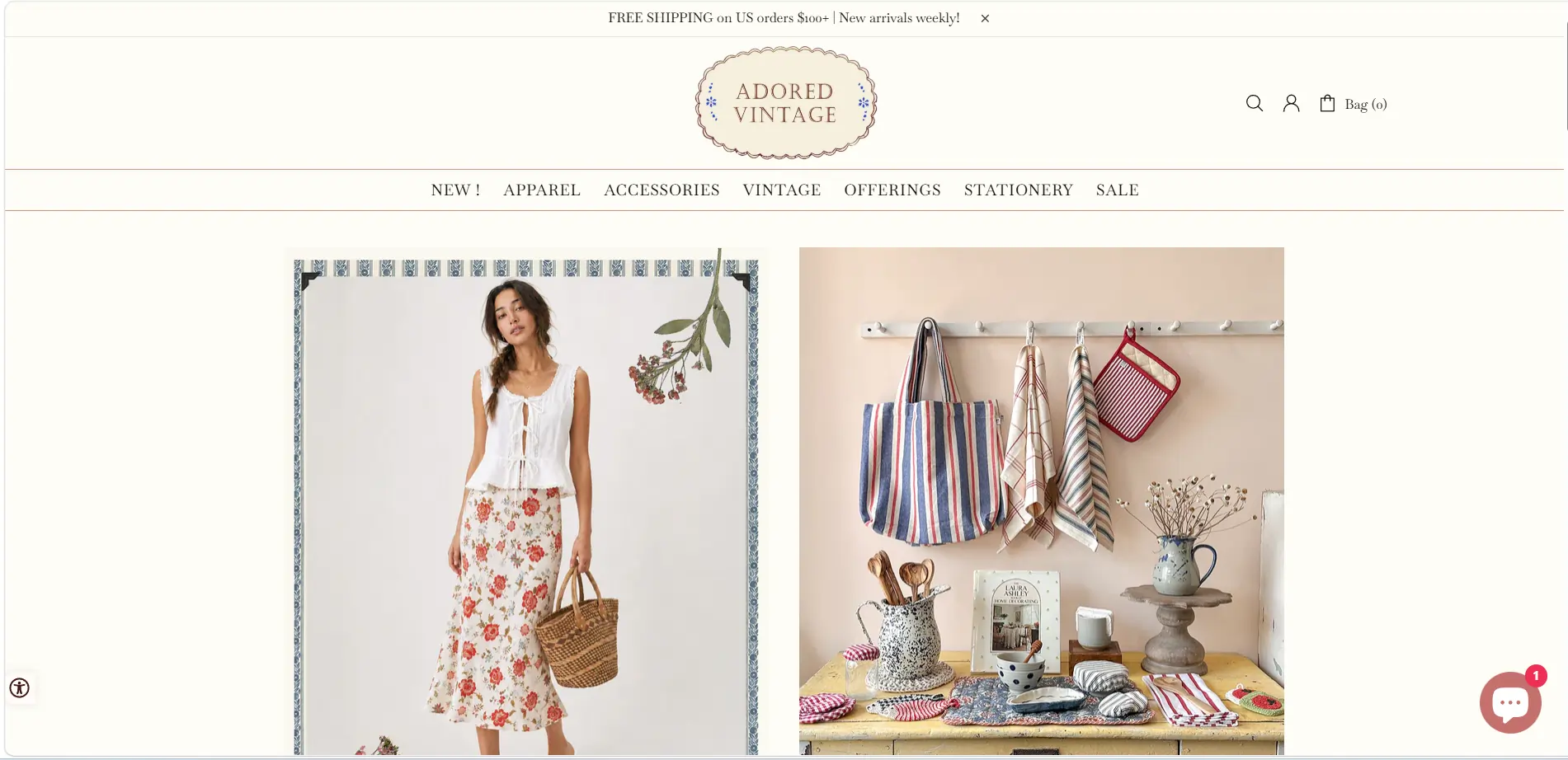
Adored Vintage blends genuine vintage pieces with vintage-inspired modern designs, targeting consumers who want the aesthetic of the past without the unpredictability of thrift shopping. Their Shopify store leans heavily into soft, romantic photography, an editorial-style blog, and a warm colour palette that matches exactly what their customer is searching for emotionally, not just functionally.
Inspired by these successful Shopify stores? Build a high-converting store tailored to your brand with our expert Shopify development services.
Artisaire
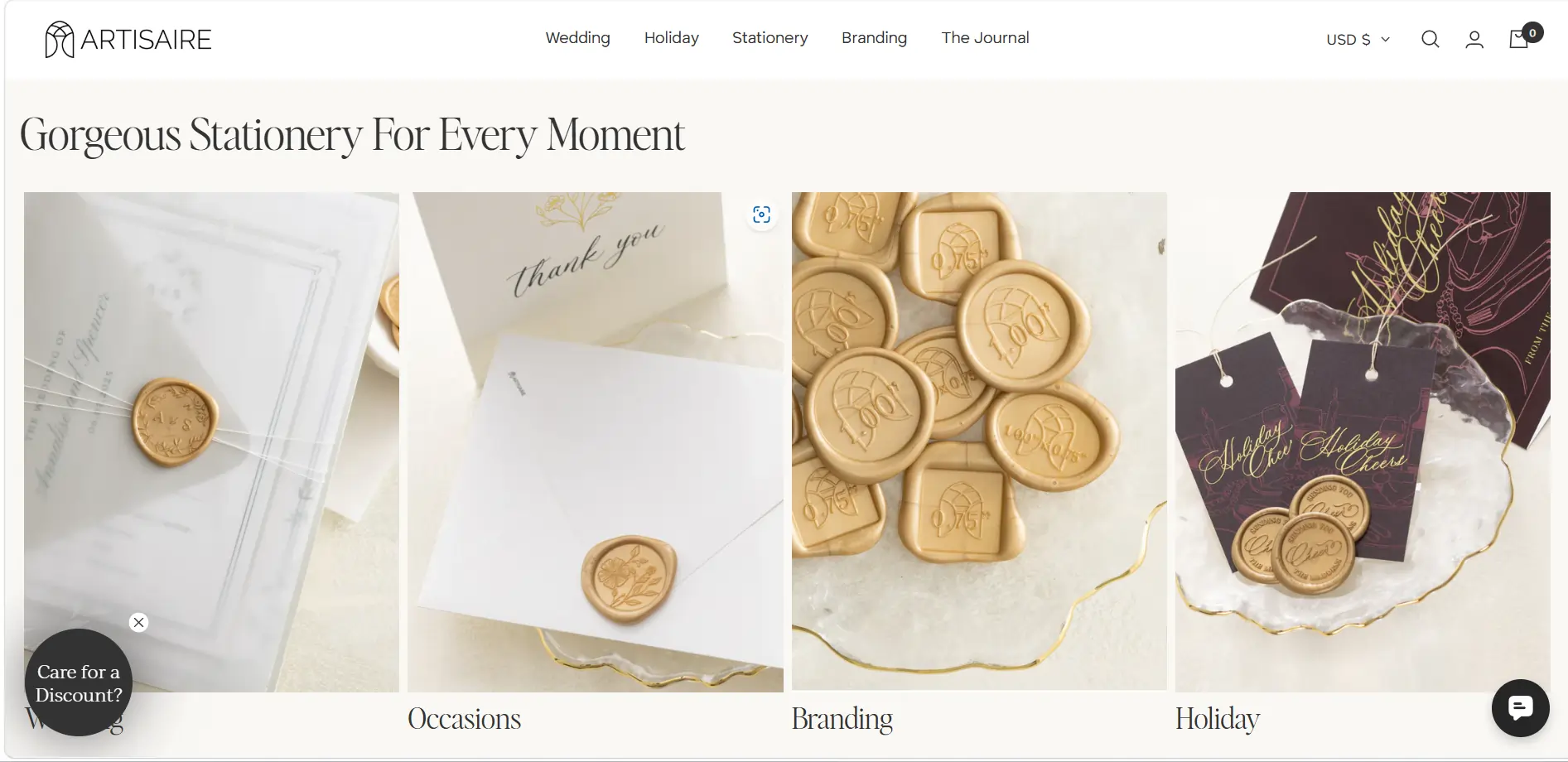
Artisaire built an entire business around a single, ancient craft: wax sealing. From customised wax stamps to ready-made wax seals, the brand has revived a centuries-old tradition for a modern audience, weddings, stationery lovers, and small businesses. Every item is made in their Canadian factory, and the Thomsen family still handwrite and hand-seal their own thank you notes to customers. That human touch is part of the brand promise.
Terre Bleu
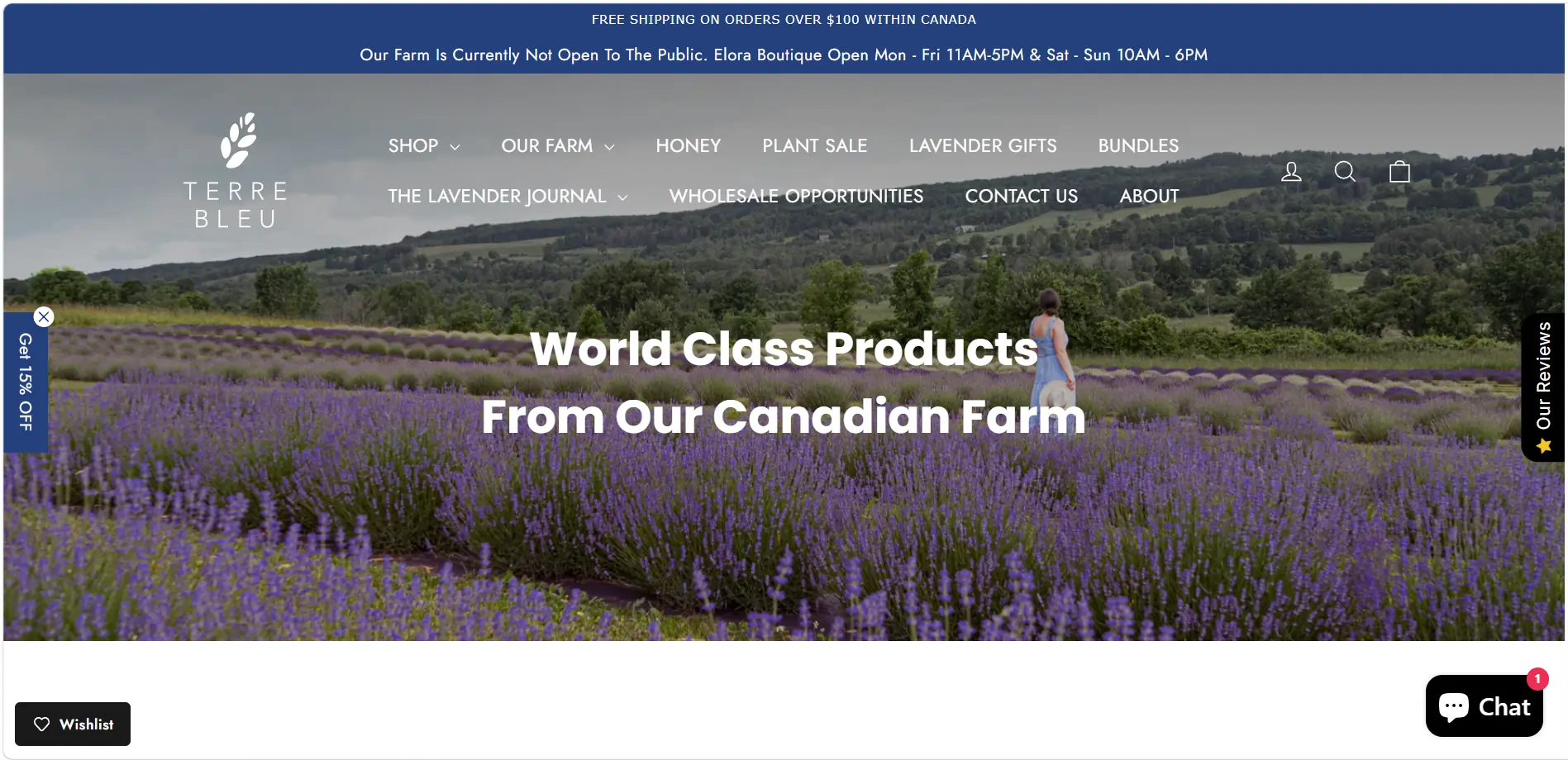
Located in Milton, Ontario, Terre Bleu is a lavender farm founded by Ian and Isabelle Baird, who left city life for the countryside. Their Shopify store sells lavender-infused beauty, food, and household products, bringing a taste of Provence to Canada. The store also supports agritourism, visitors can experience the farm in person, and the online store extends that atmospheric charm to global customers.
Silk and Willow
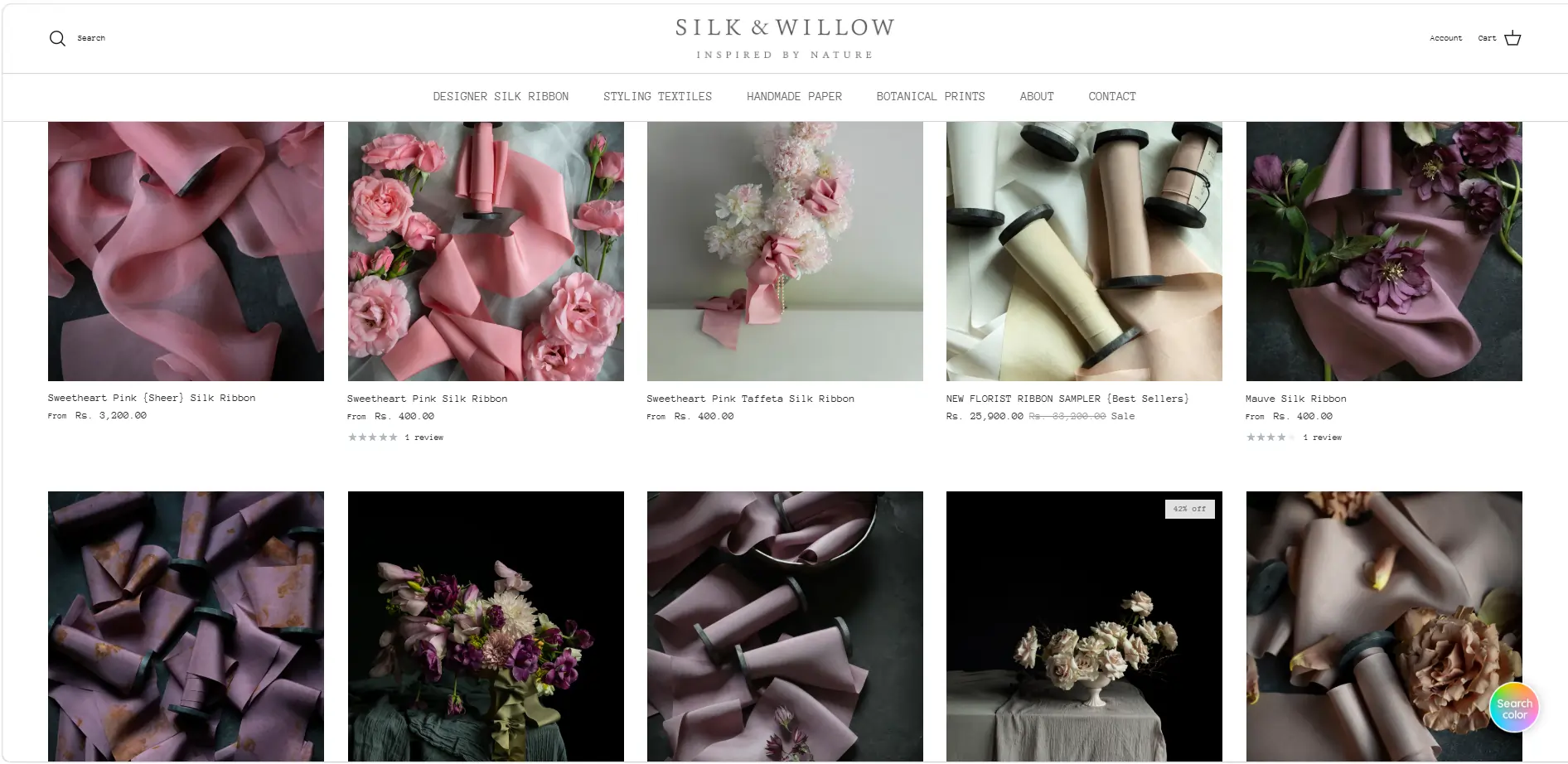
Silk and Willow is a sustainable wedding décor boutique for the environmentally conscious. Founder Shellie Pomery began her career as a graphic designer before discovering her calling in natural-dye fabrics. The store carries plant-dyed silk ribbons, table linens, and handmade stationery. Every detail of the site reflects the artisanal, slow-made nature of the products, making it irresistible to brides seeking something genuinely unique.
Pela
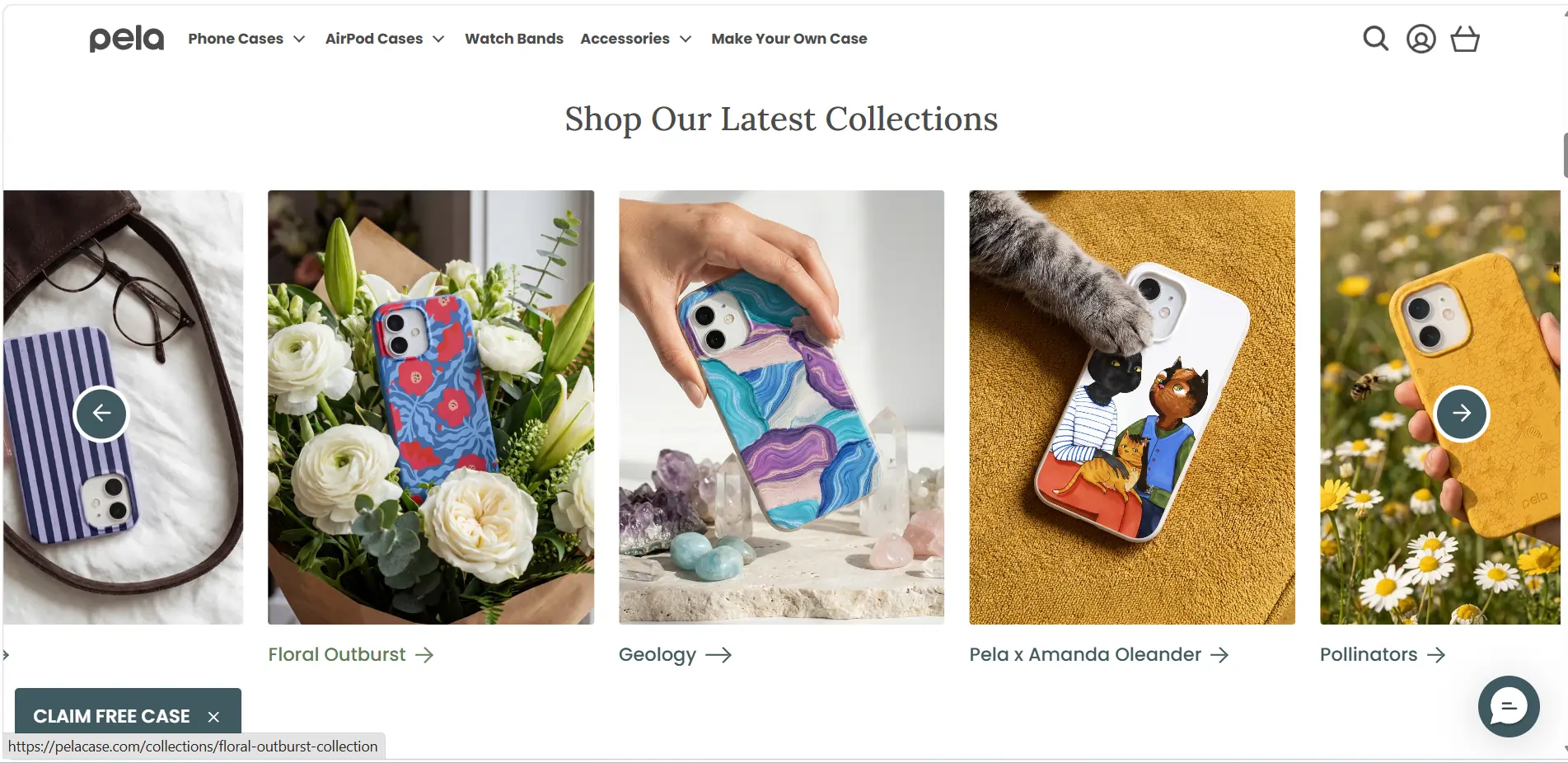
Pela sells compostable phone and AirPod cases, and their Shopify store is built around making the eco-credentials of their manufacturing impossible to ignore. The brand produces 30% fewer carbon emissions and uses 34% less water than conventional case production. Their store is easy to navigate, with intuitive filters that help shoppers quickly find their device and preferred style, removing all friction from the path to purchase.
Cowboy
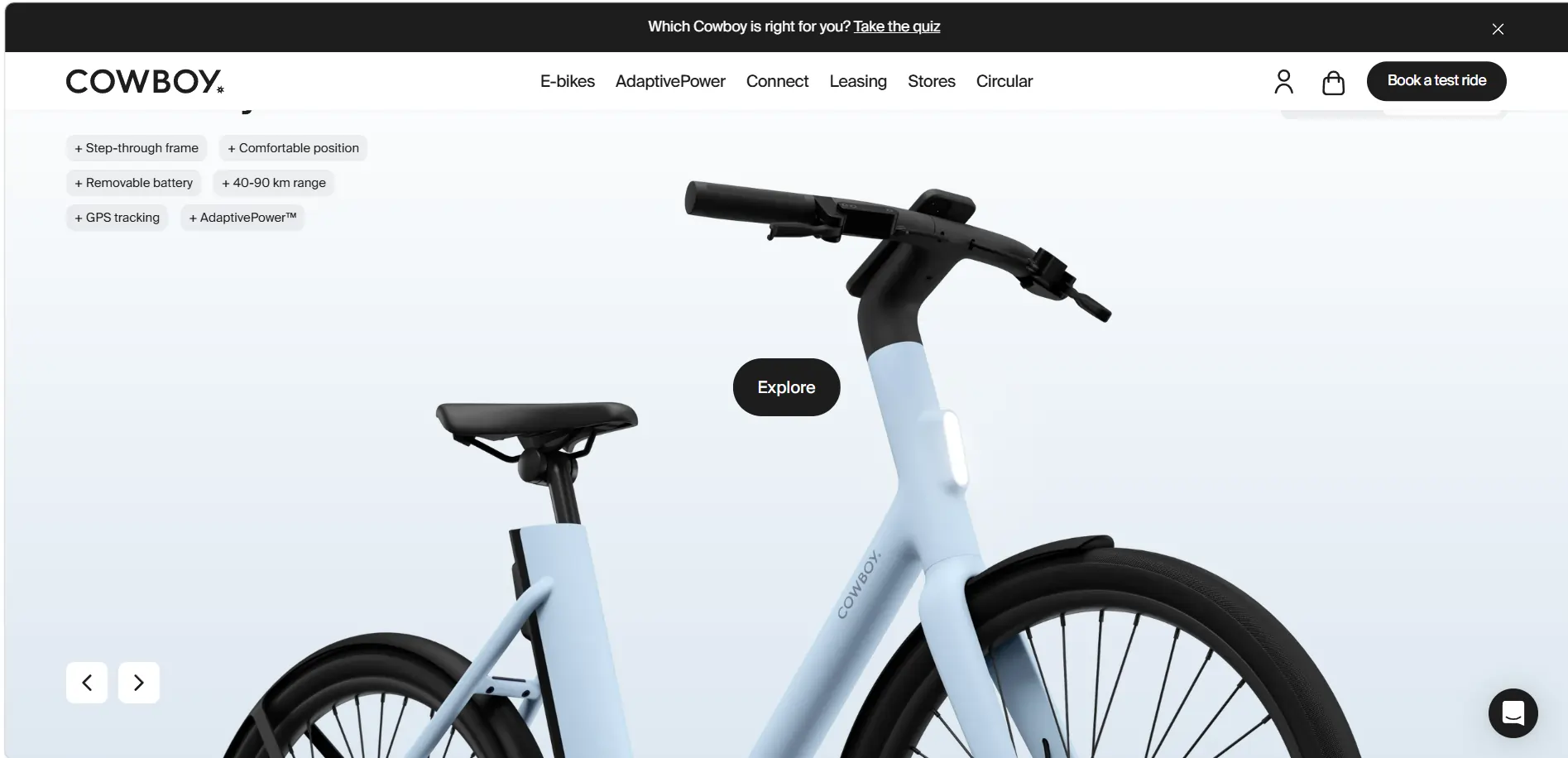
Cowboy sells premium smart e-bikes through a Shopify store that uses high-quality video and photography throughout, from the homepage hero to individual product pages. What makes Cowboy particularly clever is their test ride booking feature: for a high-ticket item, letting potential customers try before they buy dramatically reduces purchase anxiety. It is a simple idea that converts browsers into buyers.
Cocolab (Cocofloss)
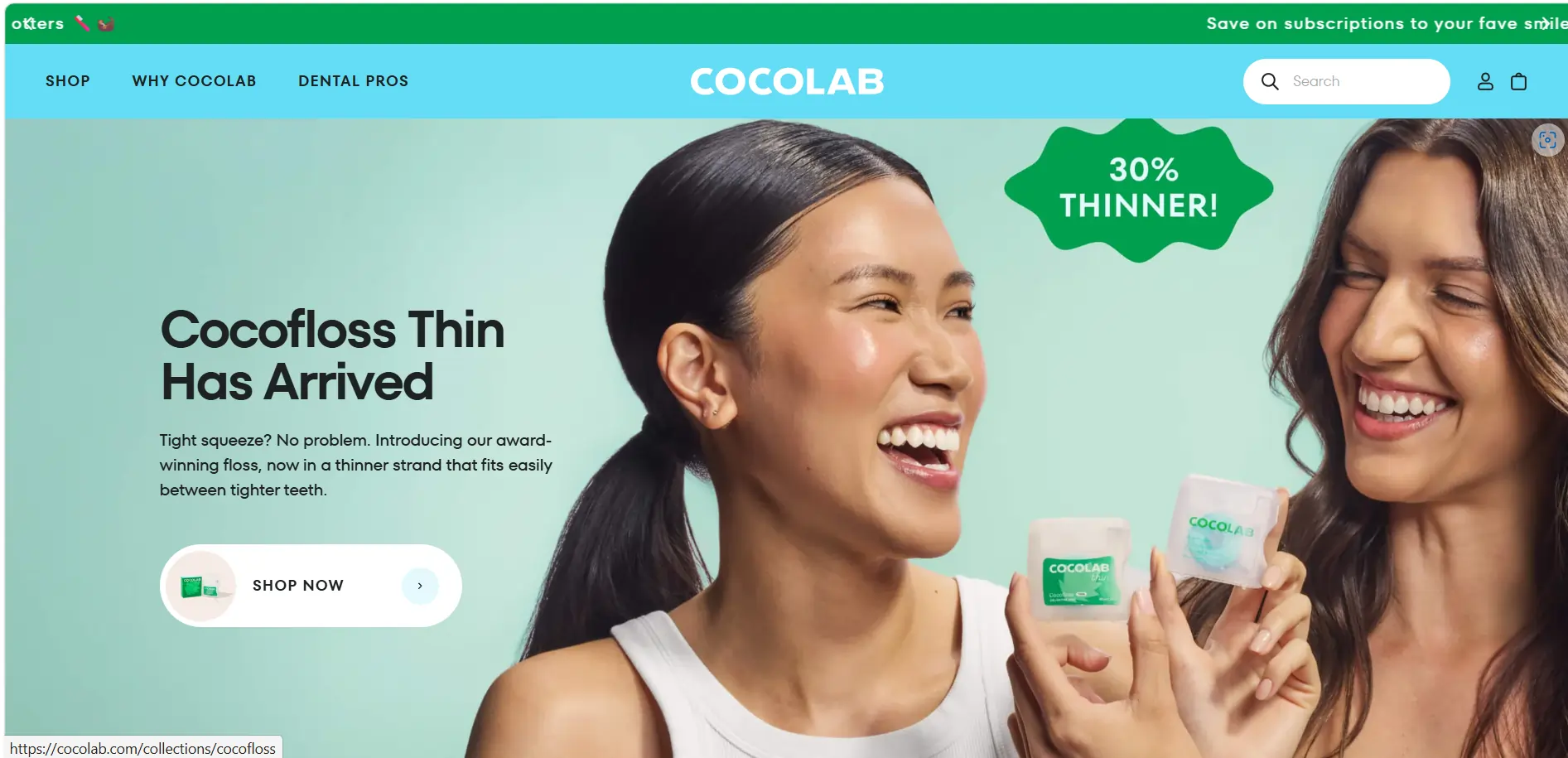
Cocolab was co-founded by sisters Chrystle Cu, a dentist, and Cat Cu, an artist, with the goal of making flossing genuinely enjoyable. Their subscription boxes deliver oral care products including dental floss and toothbrushes, with each delivery featuring new flavours, colours, and designs to keep the experience fresh. It is a textbook example of turning a mundane daily habit into something customers look forward to.
Loot Crate
Loot Crate is a geek subscription box for gamers and pop culture fans. Founded by fans, it builds on strong audience passion and identity. Its Shopify store emphasizes community, exclusivity, and the excitement of surprise.
Key Lessons from the Best Shopify Stores in 2026
1. Brand Consistency Is Non-Negotiable: Every store on this list maintains a consistent visual and verbal identity across every page, every social channel, and every customer touchpoint. Colour palettes, typography, photography style, and copy tone all speak the same language. Inconsistency signals amateur hour to the modern shopper.
2. Design for Feeling, Not Just Function: The best stores create an emotional experience. Before building your store, define the feeling you want customers to carry away, confidence, nostalgia, excitement, calm, and engineer every design decision around that emotion. The best Shopify themes become irrelevant if you have not defined this first.
3. Story Sells, Facts Support: Product specifications matter, but they rarely close the sale alone. Hiut Denim does not just tell you the denim weight, it tells you about the town that made it. Lead with story, support with facts. Your About page and homepage hero are your most underutilised sales assets.
4. Optimise the Checkout Above All Else: Shopify’s one-click checkout and Shop Pay are among the most powerful conversion tools available to merchants. Ensure your store has as few friction points as possible between the “Add to Cart” button and the completed order confirmation. Every extra step can/will cost your sales.
5. Build for Repeat Purchase from Day One: Acquiring a new customer costs five to seven times more than retaining an existing one. Whether through subscriptions, loyalty programs, or email sequences, the best Shopify stores architect their business around retention from the very beginning, not as an afterthought once growth stalls.
6. Mobile-First Is Now Just “First”: In 2026, mobile ecommerce accounts for the majority of online purchases globally. Your Shopify store must look exceptional, and convert at a high rate, on a 375px smartphone screen. Test every page on mobile before you test it on desktop. Shopify’s Dawn theme and its successors are built mobile-first for this reason.
Conclusion
The most successful Shopify stores in 2026 prove that ecommerce success is about far more than simply listing products online. Whether it is Hiut Denim’s craftsmanship-driven storytelling, Tentree’s sustainability mission, or Cowboy’s immersive buying experience, each brand demonstrates the power of clarity, consistency, and customer-first design.
What these businesses truly share is a deep understanding of their audience. They know how to create emotion, reduce friction, communicate value, and build trust at every stage of the buyer journey. Their Shopify stores are not just transactional websites, they are complete brand experiences.
For aspiring ecommerce entrepreneurs, these examples offer valuable lessons. You do not need a massive budget or a global team to create a successful Shopify business. What matters most is a clear brand identity, a seamless shopping experience, and a genuine connection with your customers. By studying what the best Shopify stores do well and adapting those principles to your own niche, you can build an online store that not only attracts visitors but turns them into loyal customers for years to come.